
How it works
Sign up for free
Register in under two minutes. No entry fee, no minimum fundraising target.
Set up your fundraising page
Add a photo, your challenge and share your page far and wide!
Take the plunge
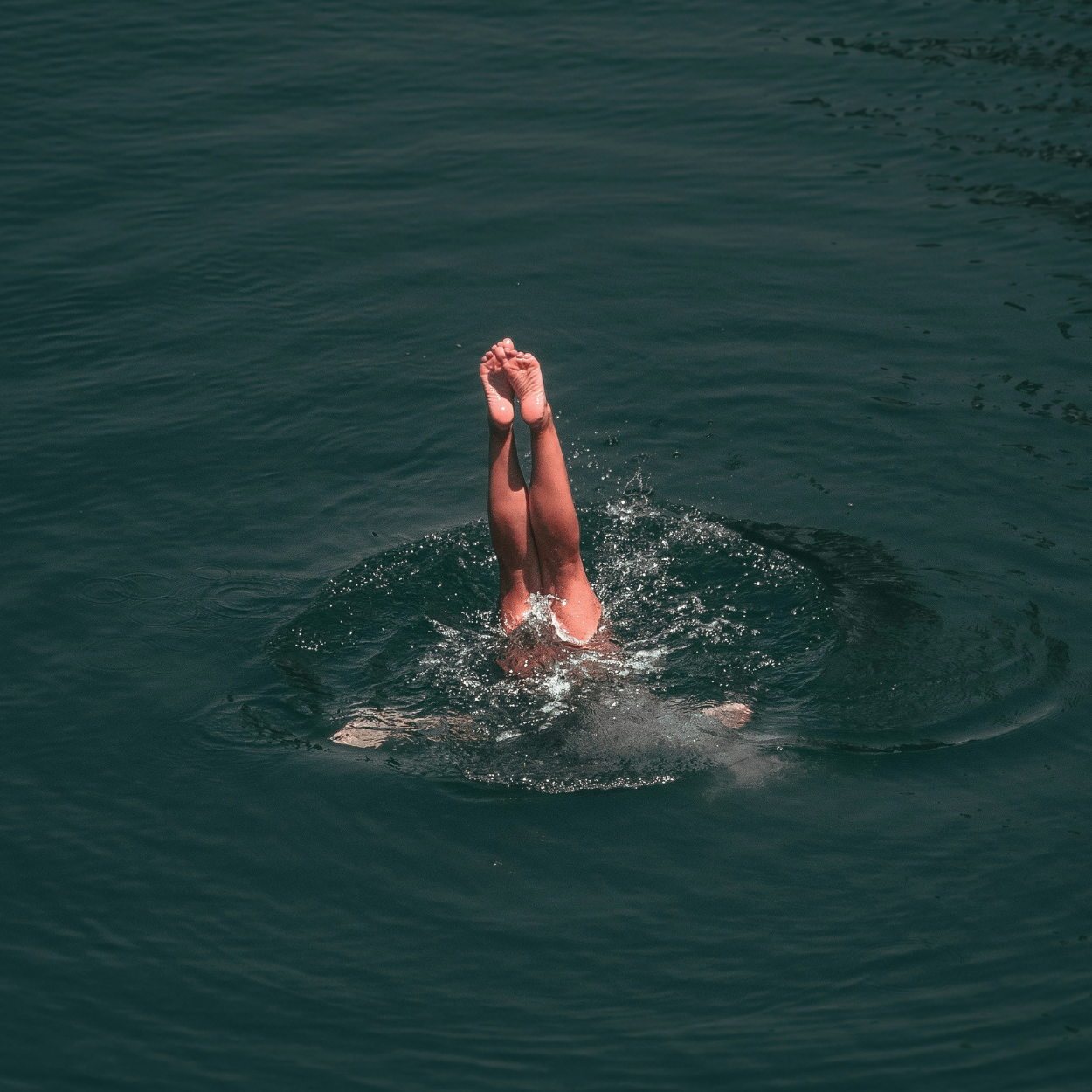
Choose your challenge - one ice bath, an ocean dip every morning - it's your call. Capture the moment and share it with us!
Make a difference
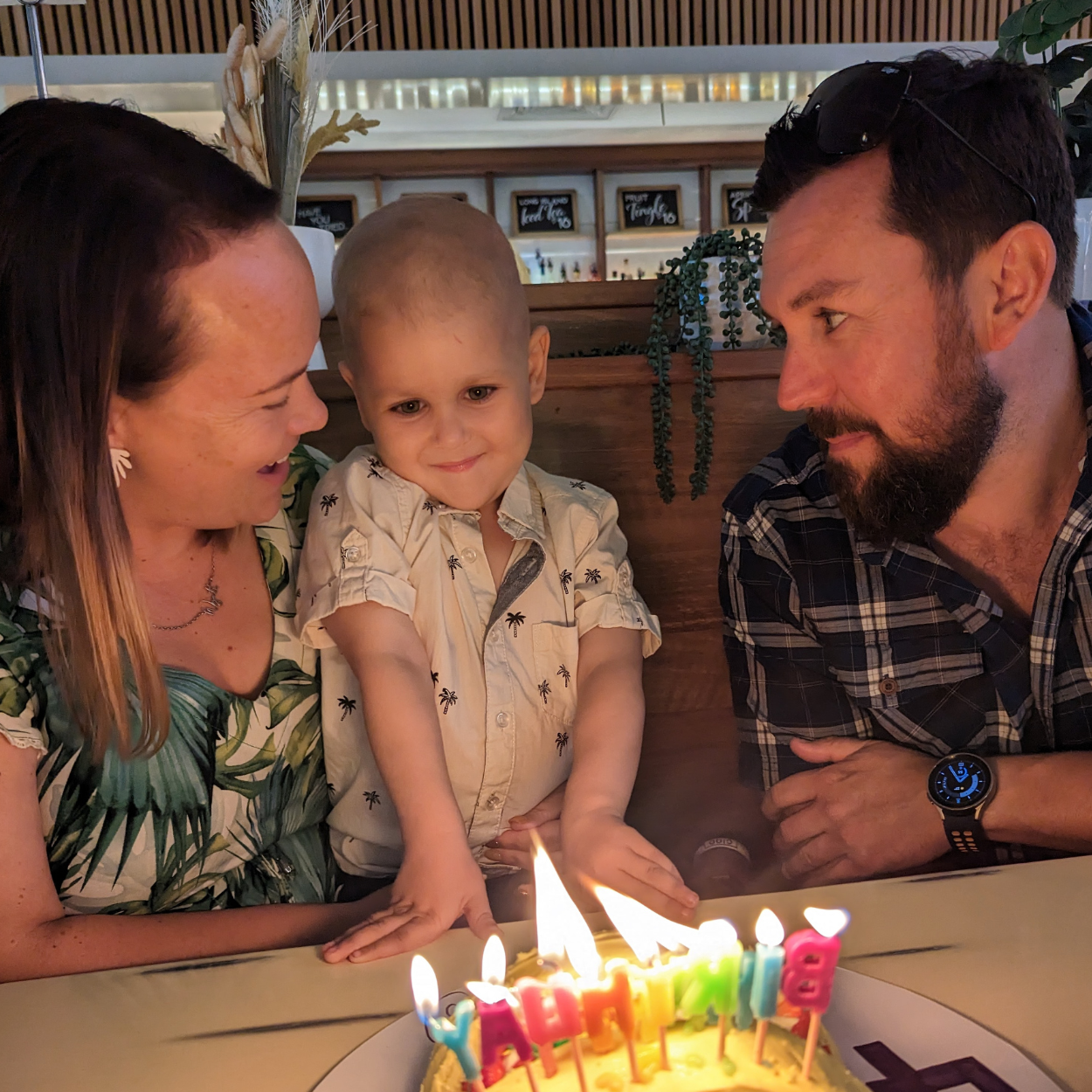
The money you raise could help support life-changing research to give children like Wyatt a better chance.
Take the plunge to give children like Wyatt a better chance
At just three and a half years old, Wyatt was experiencing sneezing, coughing, fevers, ear pain and a rash. After countless trips to the doctors to establish what was wrong, Jess' world was turned upside down when she finally got the answer: her son, Wyatt, has acute lymphoblastic leukaemia.
For Jess, the shock of diagnosis was only the beginning. What followed was the reality of childhood leukaemia treatment: not just chemotherapy, hospital stays and appointments, but constant monitoring to understand whether the treatment was working.
"Bone marrow aspirates are one of the most confronting parts. To get the clearest picture of whether leukaemia cells are still hiding in the body, doctors need to go right into the bone, usually the hip, with a needle, under general anaesthetic.
Every single time, you're handing your child over. Every single time, there's the anxiety of waiting for them to go under, watching them come around, and then the days of waiting for results.
Every general anaesthetic has been a weight I carry as Wyatt's mum. You never take it lightly. And when you're facing it repeatedly, not once, not twice, but over and over throughout treatment, it becomes its own kind of trauma layered on top of everything else." - Jess.
One researcher. One grant. The potential to change everything for children like Wyatt.
Dr Narges Bayat's research project is developing an innovative, minimally invasive imaging tool to detect residual leukaemia cells in the bone marrow.
By combining advanced magnetic particle imaging with targeted nanoparticles, Dr Bayat hopes to make it possible to visualise individual cancer cells and monitor treatment response in a new way.
If successful, this research could help transform how childhood leukaemia is monitored. It could lead to earlier detection of residual disease, reduce reliance on repeated invasive bone marrow procedures, and support the development of more effective treatments for children at highest risk.
Dr Bayat's research is being funded thanks to people like you.
Help change someone's life - someone like Wyatt - by challenging yourself to a cold plunge in June.
Ready to take the plunge?
Sign up to the challenge
Make the commitment and support children like Wyatt who deserve a better chance in life.
Feel the cold. Fund the cure.
Donate to the appeal
If a cold plunge isn't for you, you can show your support with a donation to our EOFY appeal instead. An easy, simple way to help make a huge difference.


