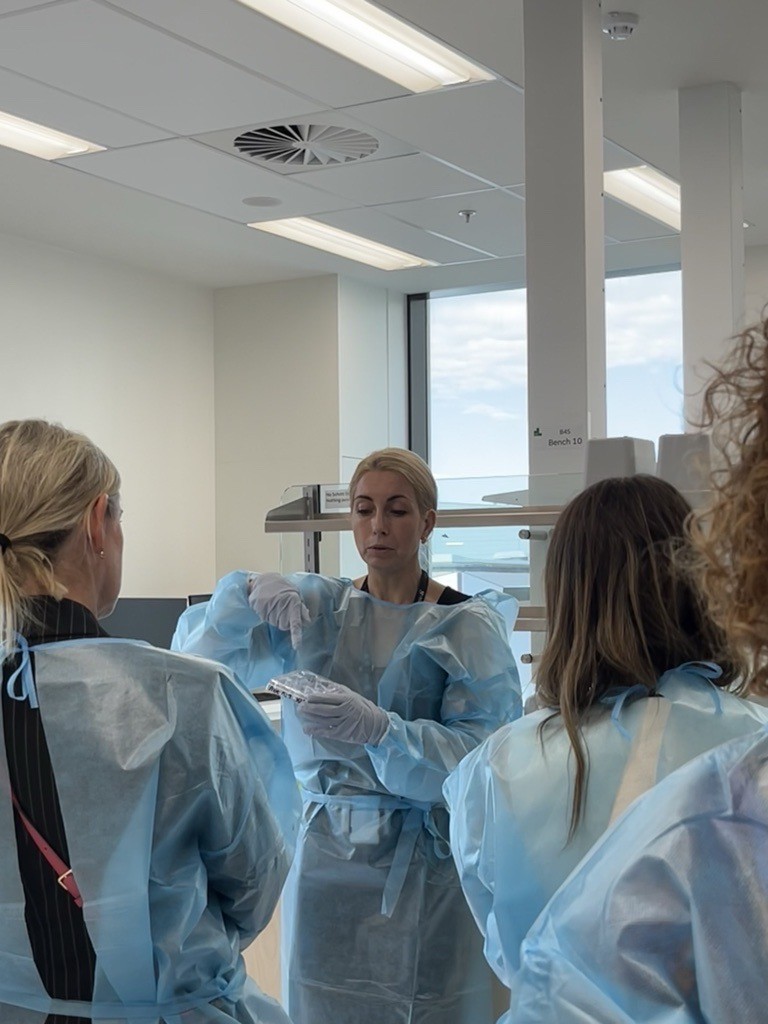
In 2006, Megan Hitchins became CanToo’s first funded early-career researcher, investigating the causes of colorectal cancer. Today, two decades on, she is a Principal Investigator in the Cancer Epidemiology Program at the Moffitt Cancer Center in Florida, the state’s only National Cancer Institute-designated Comprehensive Cancer Center.
Her journey – from early-career investigator to internationally recognised leader in precision oncology – illustrates the long-term impact of investing in researchers during the early phase of their careers.
Professor Hitchins’ work has transformed how hereditary and young-onset cancers are understood, detected, and managed. By integrating genetics, epigenetics, and translational medicine, her research has revealed mechanisms of cancer risk previously hidden by standard testing and has translated those insights directly into patient care.
Uncovering the epigenetic causes of Lynch syndrome
For many years, Lynch syndrome – a hereditary condition associated with increased risk of colorectal and endometrial cancer – was thought to arise solely from inherited mutations in DNA repair genes. Professor Hitchins challenged this assumption.
Her pioneering research demonstrated that epigenetic changes, specifically DNA methylation, can silence the MLH1 gene and increase hereditary cancer risk. This discovery explained previously mysterious cases of inherited cancer risk and enabled new diagnostic approaches to identify at-risk families who would otherwise have remained undiagnosed.
Enhancing detection in young patients
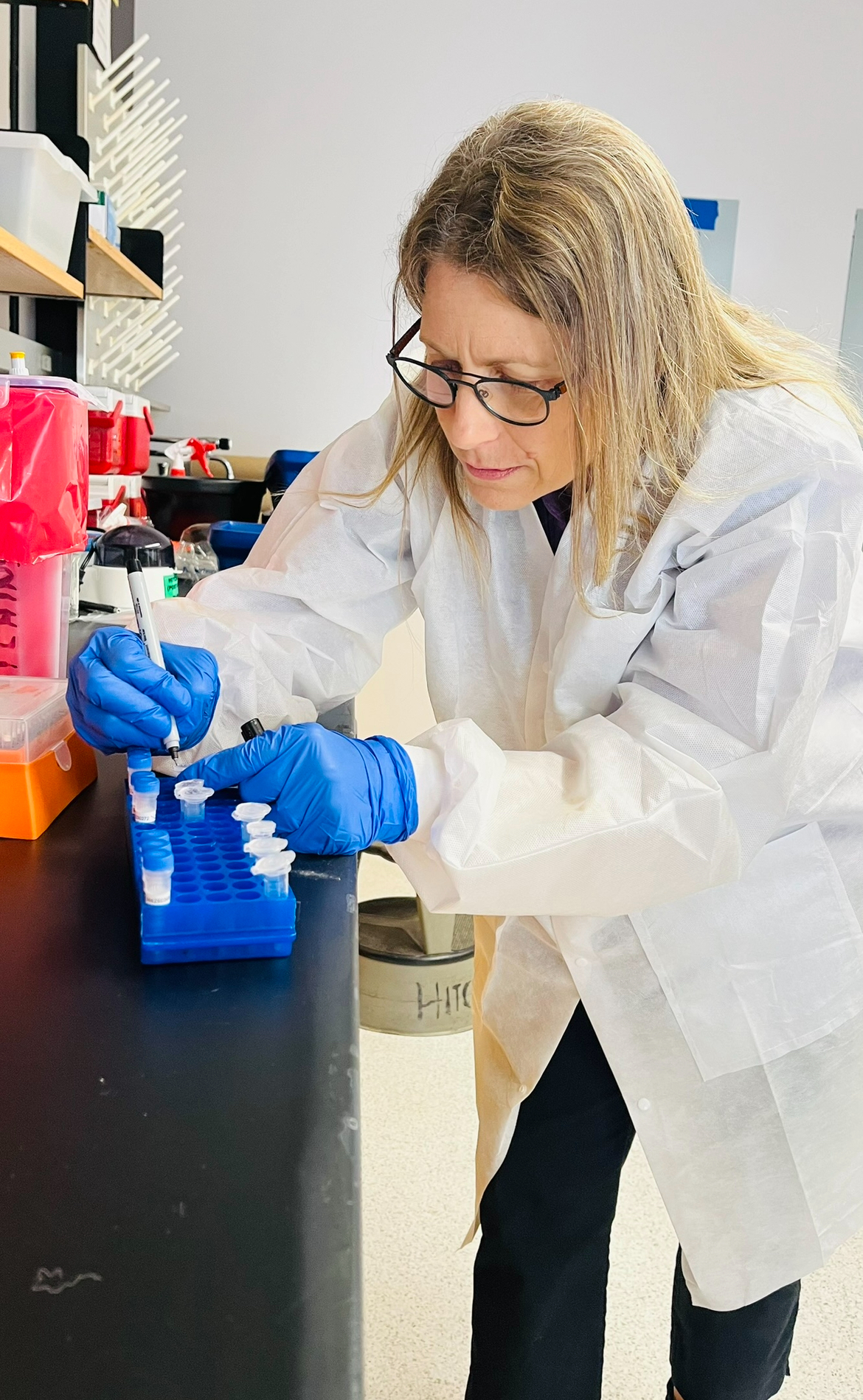
Professor Hitchins also showed that MLH1 methylation is a defining feature of some young-onset colorectal and endometrial cancers. Because conventional sequencing did not detect methylation, many younger patients were not diagnosed promptly.
By demonstrating that MLH1 methylation can be detected in blood – not only in the tumour – her work supported the integration of blood-based methylation testing into screening pathways for people at increased risk.
Advancing blood-based early detection
Building on these findings, Professor Hitchins has led the development of minimally invasive blood-based tests designed to detect colorectal cancer, with a focus on people under 50 who are not typically eligible for routine screening.
Her team identified a panel of circulating tumour DNA methylation markers that can detect both precancerous and cancerous changes. These advances point to earlier, more accessible screening, as well as faster and more affordable monitoring for cancer recurrence following surgery.
Turning discovery into real-world care
A defining feature of Professor Hitchins’ work is its translational impact. By identifying genetic and epigenetic causes of cancer in patients and families where standard testing failed, her research has influenced clinical guidelines, improved surveillance strategies, and supported more personalised management of hereditary cancer syndromes.
For patients and families, these discoveries have brought clearer answers, earlier detection, and more informed care.
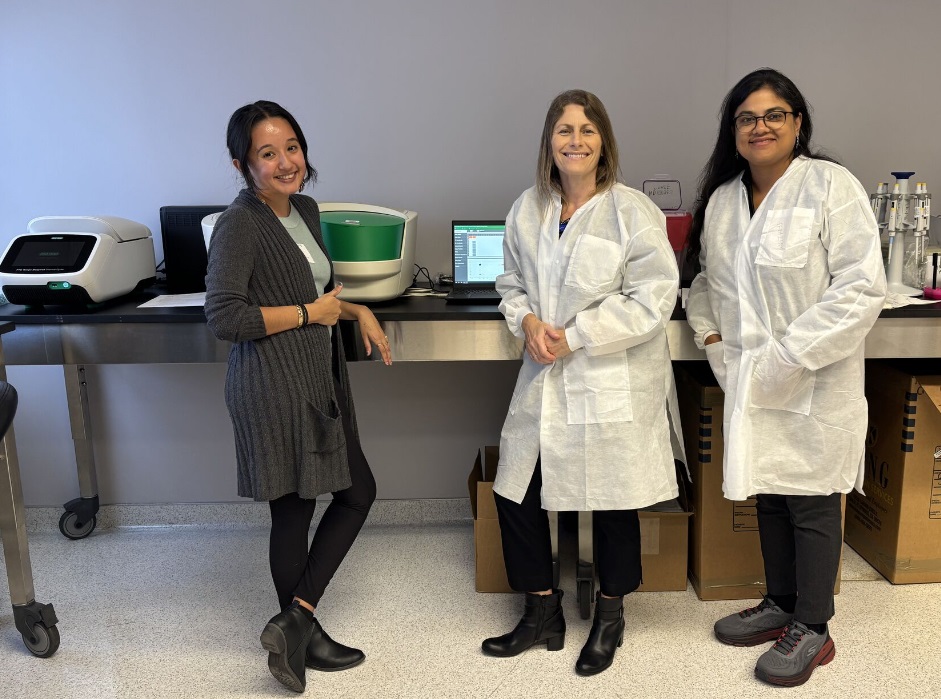
The power of early-career support
Early funding from CanToo played a pivotal role in launching Professor Hitchins’ research career. That support enabled her foundational work on colorectal cancer methylation biomarkers and helped leverage further state and federal funding.
“I will always owe a debt of gratitude to CanToo for trusting in me and supporting my research during the early phase of my career as I was emerging as an independent scientist.
Now, as a senior scientist and recipient and reviewer of USA National Cancer Institute grants, I am in the privileged position of being able to undertake and influence the direction of translational cancer research, whilst fostering the next generation of cancer researchers. The Can Too Foundation was a critical initiator in this.”
Professor Hitchins’ story is a powerful reminder that early investment in research talent can yield lasting benefits for science, medicine, and patients worldwide.
To support our ongoing work, including the funding of future cancer research projects, please consider making a donation today, or join a CanToo training program to challenge yourself, while challenging cancer too.