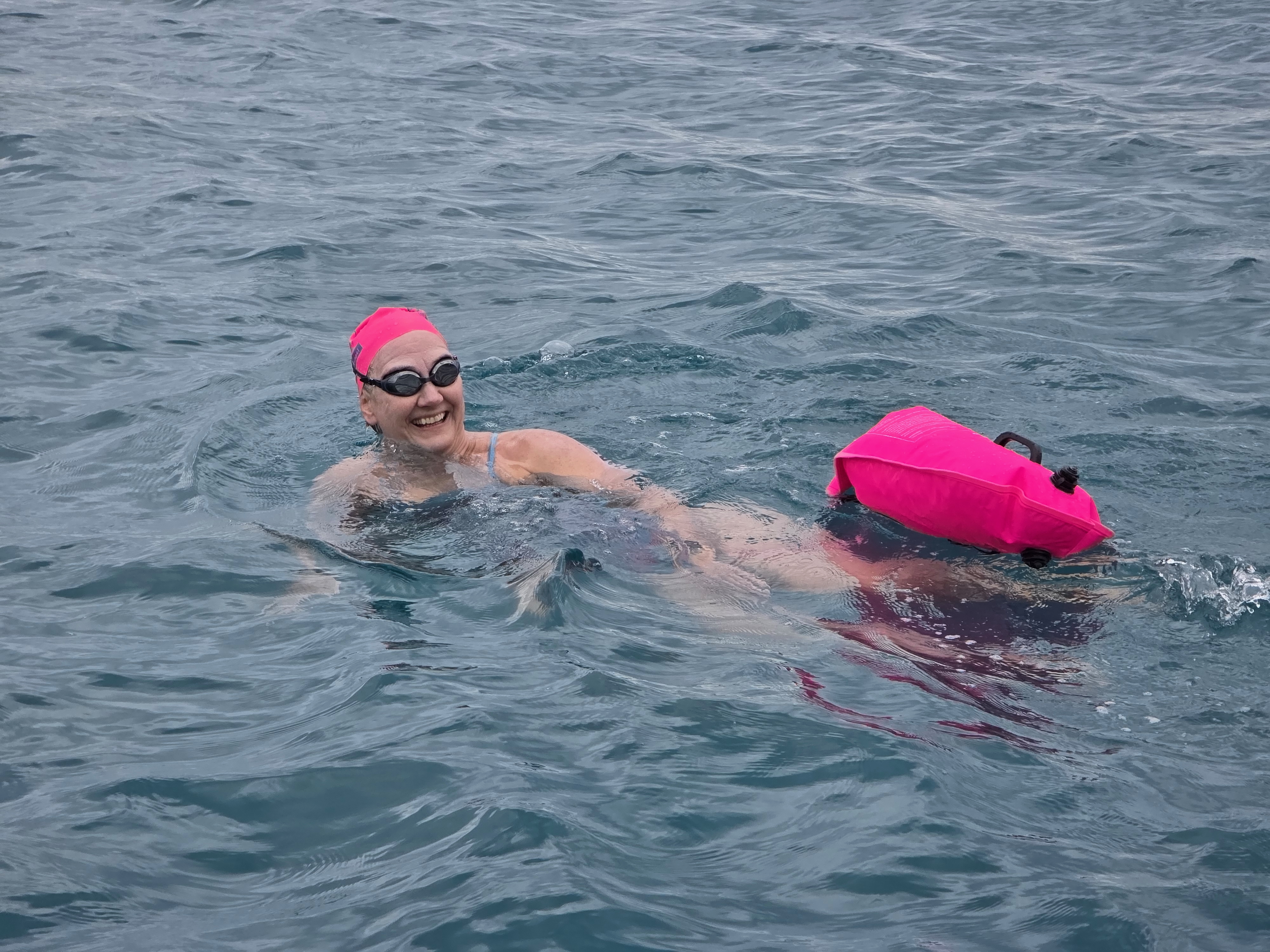
New hope for stopping breast cancer before it spreads
For people diagnosed with aggressive breast cancer, one of the greatest fears is that the cancer will spread to other parts of the body.
What if scientists could identify the warning signs earlier - or even find a way to stop the spread before it begins?
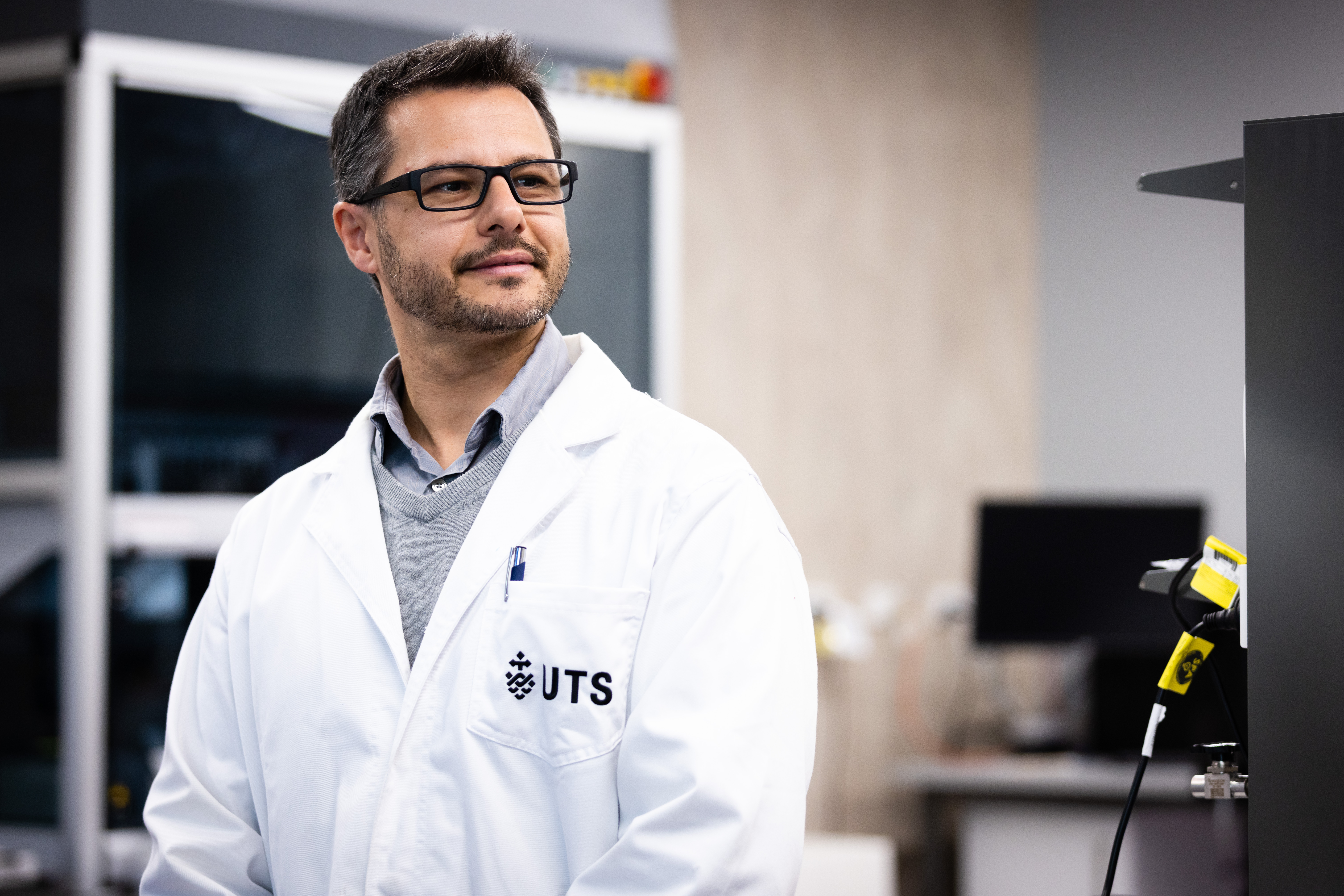
With funding from CanToo, in partnership with Cancer Council NSW, Professor David Gallego Ortega and his team at the University of Technology Sydney are investigating this possibility.

Their research is already producing promising results that could one day lead to earlier detection and more effective treatments for people with triple-negative breast cancer, one of the most aggressive forms of the disease.
Uncovering how cancer spreads
Triple-negative breast cancer can grow and spread quickly. It lacks the three receptors found in other types of breast cancer, so targeted treatments against these receptors are not suitable, which limits therapeutic options.
David's research is investigating a group of immune cells known as myeloid-derived suppressor cells (MDSCs). These cells can weaken the body's natural immune defences, creating conditions that allow cancer cells to spread to other parts of the body and form new tumours.
David and his team wanted to understand whether targeting these immune cells could help prevent triple-negative breast cancer from spreading – and whether the cells could also serve as early warning signs of cancer progression.
Promising discoveries that could transform the way breast cancer is treated
One of the most encouraging findings has emerged from testing potential new treatment approaches.
In laboratory studies, David's team identified treatments that reduced MDSCs' ability to suppress the immune response. Importantly, preclinical studies also showed reduced spread of breast cancer.
While these are early preclinical findings, they offer promising evidence that targeting these immune cells could offer a new way to tackle breast cancer.
But the potential impact doesn't stop there. David's team has also developed a blood-based test to detect biomarkers associated with breast cancer progression. With further testing and validation, this could one day help doctors identify patients at higher risk of their cancer spreading, potentially enabling earlier intervention and more informed treatment decisions.
“What excites me most is that we have found molecules that help us tell the immune cells that support cancer spread apart from those we need to fight infections. This gives us a clearer way to study and target these cells, taking the research beyond this project.”
Together, these discoveries are building valuable knowledge that could support the development of more targeted cancer treatments, including immunotherapies that help the body's immune system fight cancer.
Building the foundations for future treatments
There is still more work to do.
Further research is needed to validate these findings and determine whether the promising results observed in laboratory and animal studies can translate into benefits for people with triple-negative breast cancer.
“For patients, I see an exciting possibility: detecting inflammatory warning signals before the cancer spreads. This could give doctors a chance to act earlier and offer patients more options.”
While the immediate focus is on triple-negative breast cancer, the team is also investigating whether these discoveries could have implications for other solid cancers in which similar immune cells play a role.
The ultimate hope is to develop better ways to identify cancer spread earlier and treatments that could prevent it from occurring.
What CanToo's support has made possible
For the CanToo community, David's research shows how fundraising can help turn scientific questions into promising discoveries.
“CanToo first supported me as an early-career researcher, helping us make the discoveries that laid the foundations for this project. Years later, their support is helping us move those discoveries towards future treatments and earlier detection. For me, CanToo is a true partner on this research journey.”
Your support has enabled researchers to investigate new ways to tackle one of cancer's greatest challenges, identify potential treatment approaches, and accelerate future research.
Although these discoveries are not yet treatments available to patients, they represent meaningful progress towards a future in which fewer people are affected by cancer spreading. That progress is worth celebrating.
Every kilometre trained, challenge completed, and dollar raised helps make discoveries like these possible.