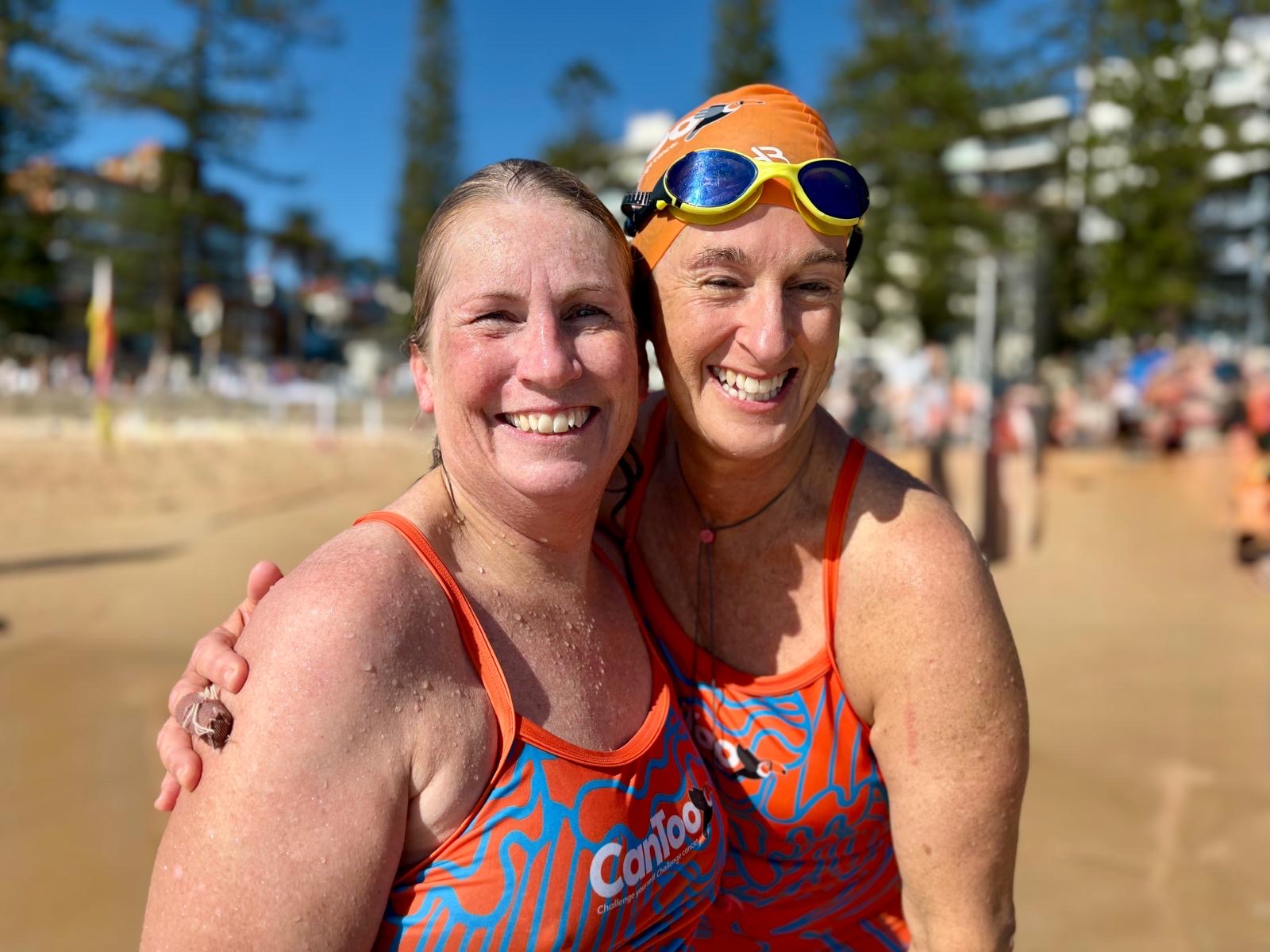
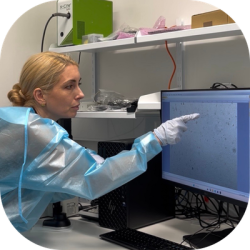
July is Sarcoma Awareness Month, and this month, we’re highlighting the continued impact of CanToo alum and sarcoma researcher, Associate Professor Emmy Fleuren.
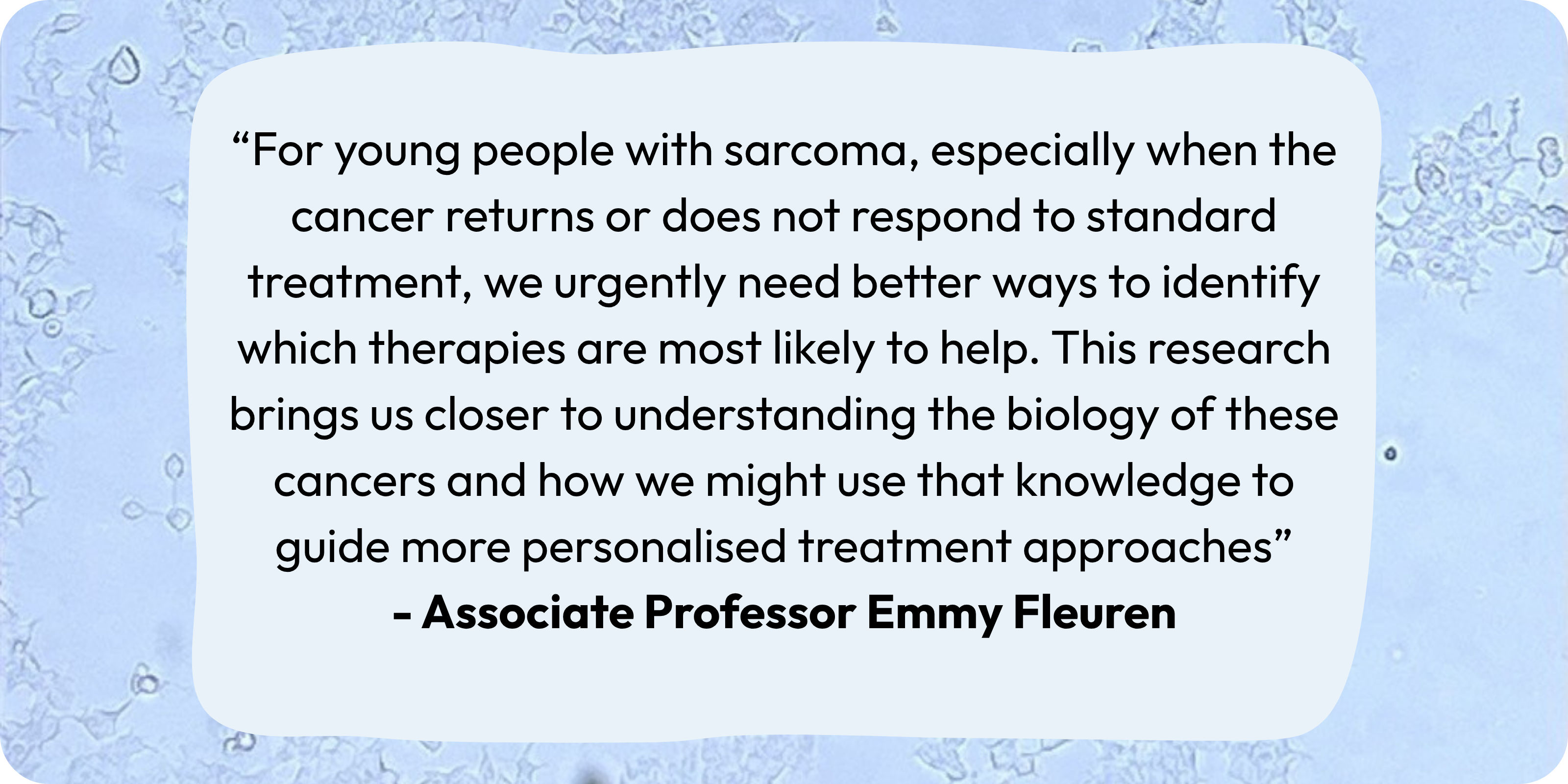
Sarcomas are rare cancers that arise in bone or soft tissue. They can affect children, adolescents and young adults. While some patients respond well to treatment, others face limited options - particularly if their cancer returns or stops responding to standard therapies.
CanToo’s early support of research led by A/Prof Fleuren - along with subsequent funding - has helped a national team of collaborators to identify potential weaknesses in these cancers, which could guide future treatment approaches for selected young patients with sarcoma.
Published recently in Molecular Cancer Therapeutics, the study used advanced precision-medicine technologies to better understand the biological signals that may help drive the growth of certain sarcomas. By analysing tumour samples in detail, the researchers aimed to identify changes that could make certain cancers vulnerable to targeted therapies - treatments designed to act on specific features of a tumour.
Looking deeper into sarcomas
The research drew on tumour samples from 107 young people with sarcoma through the ZERO Childhood Cancer Precision Medicine Program. The team combined several powerful technologies, including genomic sequencing, RNA analysis, protein-signalling studies and laboratory testing with cancer models developed from patient samples.
This multi-layered approach allows researchers to look beyond what a tumour looks like under the microscope. It helps reveal what is happening inside cancer cells - including which growth signals may be active, which pathways may be driving the cancer, and where potential treatment opportunities may exist.
One focus of the study was a group of proteins known as fibroblast growth factor receptors (FGFRs). These receptors help cells receive and respond to growth signals. However, when FGFR-related signalling becomes abnormal or overactive, it can help cancer cells grow and survive.
Importantly, drugs that block FGFR-related signalling already exist and are being studied for cancer treatment. This means that identifying patients whose tumours may depend on these signals could help guide more personalised treatment strategies in the future.
What did the researchers find?
The study found that although new cancer-driving genetic changes were uncommon across the analysed sarcomas, some tumours showed FGFR-related features that may be clinically significant.
In particular, the researchers identified FGFR-related vulnerabilities in a subgroup of rhabdomyosarcoma, a soft-tissue sarcoma that can affect children and young people. This subgroup, known as PAX3–FOXO1 fusion-positive rhabdomyosarcoma, showed biological signals indicating that these tumours may be sensitive to drugs that block FGFR activity.
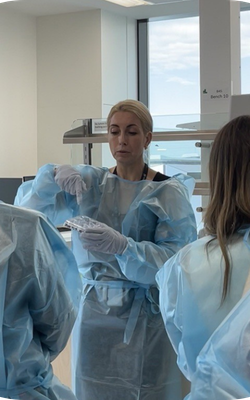
The researchers then tested FGFR-blocking drugs in laboratory models derived from patient tumours. These studies showed marked slowing of tumour growth in the models tested, providing early evidence that this approach may be worth exploring further.
The publication also reports a clinical response, including tumour shrinkage, in one young patient with relapsed metastatic rhabdomyosarcoma who received lenvatinib, a drug that can block FGFR and other cancer-related signalling pathways.
This does not mean the treatment is ready to become standard care - more research and clinical trials are needed. However, the finding provides an important signal that FGFR-targeted treatment may benefit selected patients, particularly when guided by their tumour biology.
Why this matters
One of the major challenges in precision medicine is not simply finding a drug. It is determining which patient is most likely to benefit from it.
Targeted therapies can be powerful, but they do not work for everyone. To use them effectively, researchers and clinicians need biomarkers - biological indicators that help predict whether a tumour may respond to a particular treatment.
This study helps build the evidence base.
By identifying FGFR-related signals that may predict sensitivity to FGFR-blocking drugs, the research provides a clearer rationale for future testing among selected young people with sarcoma. It also underscores why detailed tumour analysis is so important: the more researchers understand each cancer's biology, the better equipped they are to identify treatment opportunities that may otherwise remain hidden.
For children, adolescents and young adults with sarcoma, this type of research is especially important.
Current treatments may include intensive chemotherapy, radiation therapy and major surgery. These treatments can be lifesaving, but they can also carry significant physical and emotional burdens, including long-term effects that may persist well beyond treatment.
More personalised therapies may one day improve outcomes by matching treatment more precisely to the biology of each patient’s cancer. They may also help reduce reliance on broad, intensive approaches when more targeted options are available.
Community support helps make progress possible
Discoveries like this do not happen overnight.
They depend on years of careful work - including collecting and analysing tumour samples, developing laboratory models, testing potential treatments, validating findings and building collaborations across hospitals, laboratories and research programs.
This is why community support for cancer research is so vital.
Funding from organisations such as CanToo helps researchers pursue promising ideas, apply advanced technologies and thereby increases their competitiveness to obtain funding for larger studies that generate the evidence needed to advance discoveries towards clinical trials. Early-stage and translational research may not always yield immediate changes in care, but it lays the foundation for future treatment advances.
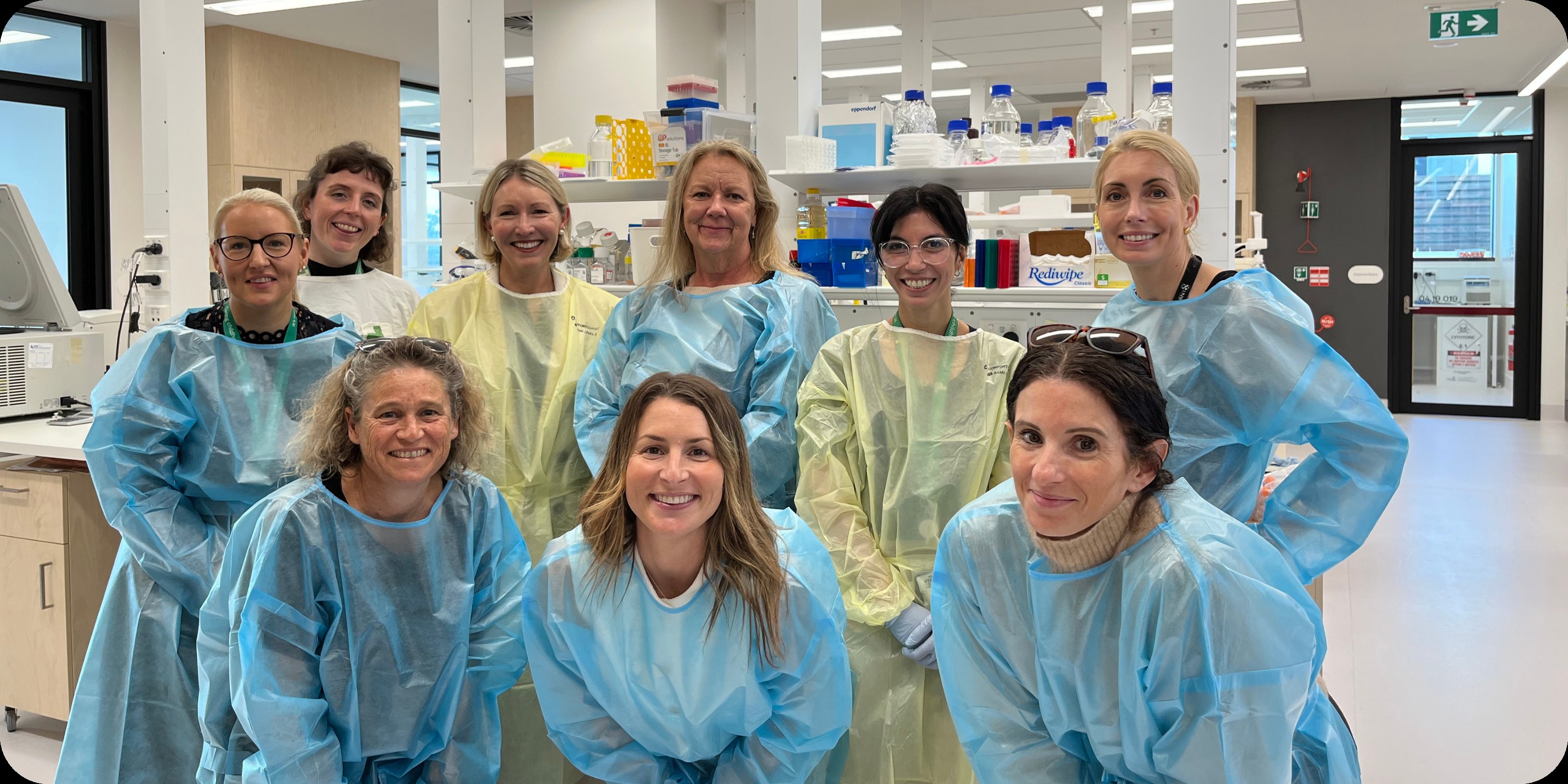
In this study, CanToo-supported research contributed to progress towards a more precise understanding of sarcoma biology and to potential new treatment opportunities for young people with cancer.
A step towards more personalised sarcoma treatment
There is still more work to do.
The findings require further validation, and clinical trials will be needed to determine whether FGFR-targeted treatment can safely and effectively benefit selected young people with sarcoma.
However, this research marks an encouraging step forward. It shows how precision medicine can uncover hidden vulnerabilities in cancer and help guide future treatment strategies.
For families facing sarcoma, research like this offers something deeply important: evidence-based hope.
For the CanToo community, it is a powerful reminder that every contribution to research helps advance science - bringing better, more personalised treatment options closer for young people affected by sarcoma.
To support our ongoing work, including the funding of future cancer research projects, please consider making a donation today, or join a CanToo training program to challenge yourself, while challenging cancer too.
* You can access the full article for free here.